It’s usually a small start. There are a number of Raspberry Pi computers can be set up in a testing environment, such as an lab. It’s a manageable situation. It is possible to check devices manually, update them when needed and repair issues as they occur.
Then the things expand.
More devices get added. There are multiple locations involved. It can be difficult to keep the track of all devices and the information. At this stage, businesses begin to seek out structured ways to maintain their systems. They often turn to solutions such as AWS devices management Raspberry Pi, which brings everything under one umbrella.
Growth can be exciting, but it can be a challenge to manage without a system.
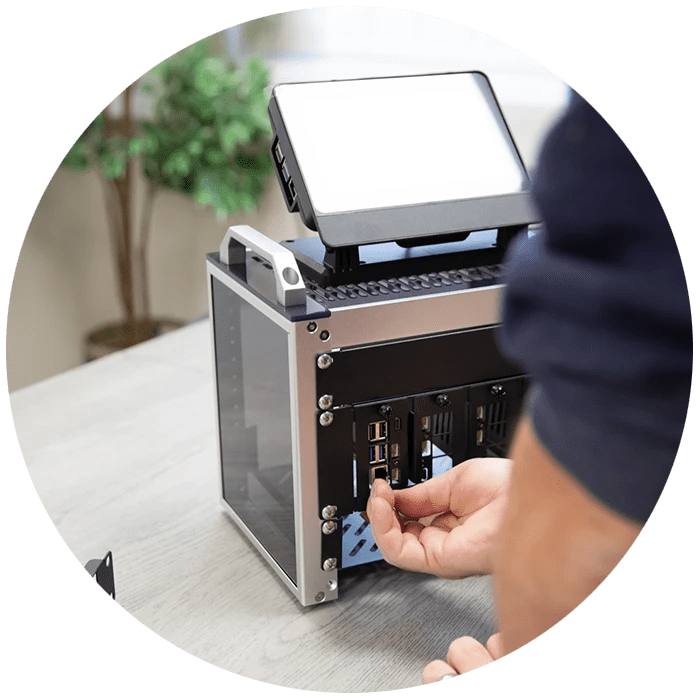
Moving beyond Manual Oversight
One device at a time might be effective for a small amount of devices, but it does not grow with. Once deployments increase teams require a better way to oversee operations without having to constantly respond to issues.
The Raspberry Pi setup with a reliable device manager changes the method teams collaborate. A centralized system enables users to examine all devices simultaneously instead of having to do it individually. The devices can be upgraded, configured, and monitored with no physical access.
This helps reduce pressure on teams and creates a more stable and secure environment, where less things are left to chance.
Remote Access Remote Access: The Freedom of Remote Access
One of the biggest advancements in modern device management is the capability to connect to Raspberry Pi remotely. This eliminates the requirement for physical presence, which can cut down on time when there are multiple devices in different locations.
Remote access allows teams to resolve issues immediately, deploy updates and change configurations without delay. That which was once a requirement for the use of a vehicle or on-site assistance can now be handled from one dashboard.
This level of control gives an attitude of flexibility that is vital for the development of systems.
You can see everything happening as it is
Just knowing that the devices are running is not enough. Knowing how they’re performing in real-time is what makes systems truly secure.
Teams are able to monitor and control Raspberry Pi device management and find any unusual behavior. They can then respond to minor problems before they become major issues. This provides an active approach rather than a reactive approach.
Continuous monitoring of systems makes them more predictable and manageable.
Tools to reduce complexity
As the number of devices expands complexity tends to rise. Without the right tools for managing the performance, updates, and configurations can be a nightmare.
Modern Raspberry Pi device management tools are designed to simplify these tasks. They automatize processes, provide clear information and ensure that the devices are in line with goals.
Instead of spending time on tedious tasks, teams should concentrate on improving the efficiency of their systems and enhancing their capabilities.
Building Systems that Grow with You
Scalability is one of the most important factors in device management. A system that functions for ten devices should also work for hundreds or even thousands of devices.
AWS device management Raspberry Pi allows businesses to build systems that can expand without losing their structure. Each new device becomes a part of a larger, well-organized network rather than adding to the complexity. This allows for the growth to be managed and not a chaotic process.
Keeping stability as systems expand
Growing can bring new threats. More devices mean more potential points of failure, making stability an important factor.
Being able to monitor and manage Raspberry Pi and IOT device management makes sure that systems remain solid even as they grow. The early detection of problems allows for the system to be fixed and fixes are easily made, and performance ensured throughout the network. This stability is what makes it possible for businesses to trust their systems without fear.
A Smarter Way to Manage Devices
Management of devices does not need to feel overwhelming. If the proper structure is in place, even massive deployments can be handled with ease.
The ability to remotely connect to Raspberry Pi, and use advanced Raspberry Pi devices management tools and rely on AWS IOT Device Management Raspberry Pi, transforms the way that businesses function. The complexity that was once overwhelming is now manageable. And what was once a constant need for attention now becomes more efficient.
ScalerPi helps companies make the transition from messy setups to organized, scalable systems.
The ability to establish a solid and consistent management approach is essential for long-term success in business.